Okay, confession time: I used to think I knew sustainable fashion. I’d rattle off the usual suspects – Patagonia, Everlane, Reformation – and feel pretty good about myself. But then I went down a rabbit hole one night (thanks, Instagram algorithm) and discovered there’s this whole universe of amazing eco-friendly sustainable fashion brands that nobody’s talking about.
And here’s the plot twist: they’re actually affordable. Like, genuinely won’t-make-you-cry-at-checkout affordable.
So today, I’m pulling back the curtain on five sustainable fashion brands that deserve way more hype than they’re getting. These aren’t the ones your favorite influencer is constantly posting about (yet). They’re the hidden gems that’ll make you feel like you’re in on a secret – and look amazing while being kind to the planet.
Why Discovering New Sustainable Brands Matters
Before we dive into the good stuff, let’s talk about why this matters. The sustainable fashion movement is growing like crazy – searches for eco-friendly clothing have jumped 30% this year alone. But here’s the thing: when everyone shops from the same five “popular” sustainable brands, those brands can’t always keep up with demand, quality sometimes slips, and prices creep up.
Finding lesser-known sustainable brands means:
- Better value: Less brand markup, more bang for your buck
- Unique pieces: You won’t show up to brunch in the same outfit as three other people
- Supporting small businesses: Your dollars make a bigger impact
- Discovering innovation: Smaller brands are often testing cutting-edge sustainable materials and practices
Plus, there’s something genuinely exciting about discovering a brand before it blows up. It’s like finding your new favorite band before they’re playing stadiums.
What Makes These Brands Actually Sustainable?
I’m not just throwing around the word “sustainable” here. These brands check real boxes:
- Transparent supply chains: They actually tell you where and how their clothes are made
- Eco-friendly materials: Organic cotton, recycled fabrics, innovative plant-based materials
- Ethical labor practices: Fair wages, safe working conditions, no exploitation
- Minimal waste: Thoughtful production that doesn’t create excess inventory
Longevity focus: Quality pieces designed to last years, not seasons
Now, let’s meet the brands.
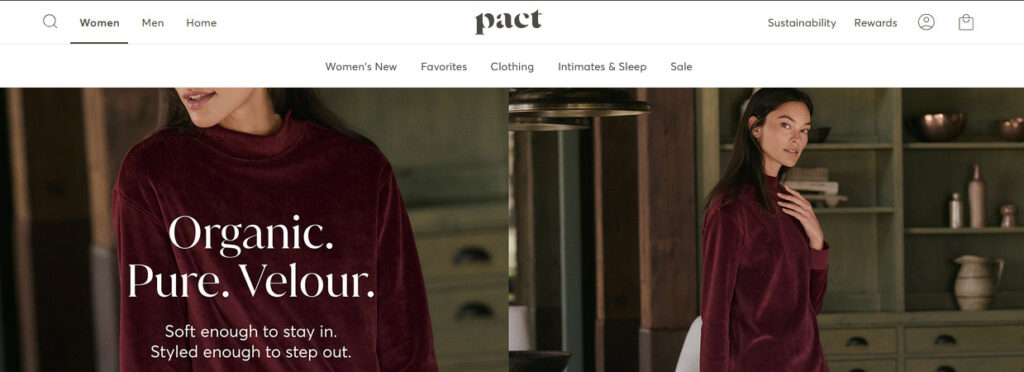
1. PACT: The Organic Cotton Basics Revolution
What they do: PACT specializes in organic cotton essentials—think tees, underwear, loungewear, and everyday basics that form the foundation of any wardrobe.
Why you’ve never heard of them: They focus on quiet quality over flashy marketing. While other brands spend millions on influencer campaigns, PACT invests in their supply chain and keeps prices low.
The sustainability angle: Every single item is made from GOTS (Global Organic Textile Standard) certified organic cotton. This means zero toxic pesticides, 91% less water usage than conventional cotton, and fair trade certified factories. They also measure and publicly share their environmental impact—radical transparency at its finest.
Price point: T-shirts start around $18, dresses in the $30-60 range, most items under $50.
What makes them special: PACT proves that sustainable doesn’t have to mean expensive OR boring. Their basics are soft (like, legitimately the softest tees I own), durable, and come in great neutral colors that work with everything. Plus, their underwear game is strong—once you try organic cotton undies, there’s no going back.
My honest take: I bought one PACT t-shirt to test the waters and ended up buying five more. They wash beautifully, don’t shrink, and the fabric actually gets softer over time. These are the pieces I reach for when I want to feel comfortable but still look put-together.
Perfect for: Building a sustainable capsule wardrobe, everyday basics, people with sensitive skin (organic cotton is naturally hypoallergenic).
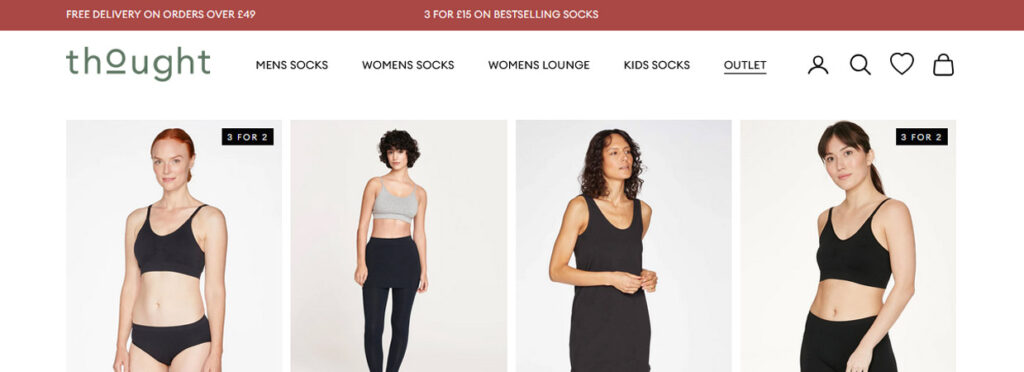
2. Thought Clothing: British Sustainability Done Right
What they do: Thought (formerly Braintree Clothing) is a UK-based brand creating contemporary women’s and men’s fashion from sustainable natural fibers. They’re big on bamboo, hemp, and organic cotton blends.
Why you’ve never heard of them: They’re more established in Europe and haven’t quite cracked the US market yet. But trust me, they’re worth seeking out.
The sustainability angle: Thought uses natural, renewable materials with minimal processing. Their bamboo fabric is sustainably sourced and biodegradable. They’re also deeply committed to fair trade practices and work with small-scale producers. Plus, they design for longevity—timeless pieces that transcend trends.
Price point: Dresses $60-100, tops $35-70, most items solidly under $100.
What makes them special: The fabric innovation is chef’s kiss. Bamboo viscose is naturally breathable, moisture-wicking, and super soft. Their clothes have this effortlessly elegant European aesthetic—like you just returned from a month in the French countryside even though you were just at Target.
Style vibe: Romantic, feminine, and sophisticated without being stuffy. Think flowy midi dresses, soft knits, and prints that feel artistic rather than loud.
My honest take: Thought’s pieces photograph beautifully (hello, Instagram-worthy outfits), but more importantly, they feel amazing to wear. The bamboo fabric drapes gorgeously and doesn’t wrinkle as much as you’d expect. I wore one of their dresses on a 10-hour flight and stepped off looking surprisingly human.
Perfect for: People who love feminine, romantic styles, travelers (wrinkle-resistant fabrics are key), anyone building a “quiet luxury” aesthetic on a budget.
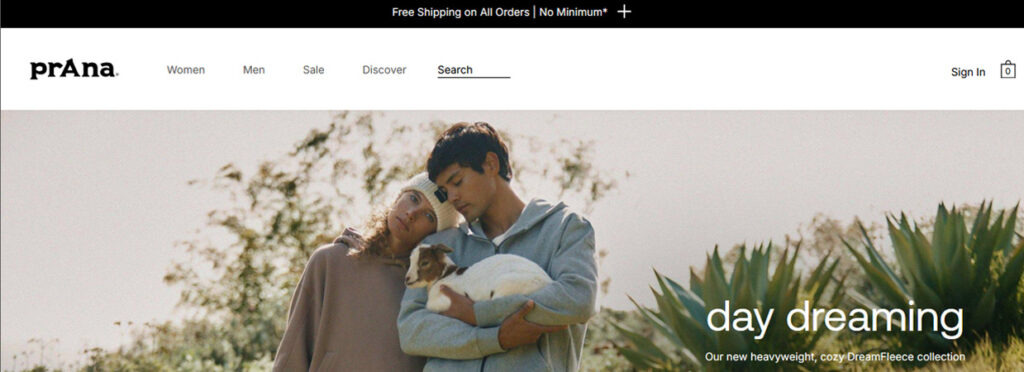
3. Prana: Sustainable Activewear That Works Everywhere
What they do: Prana creates versatile clothing that bridges the gap between outdoor performance wear and everyday style. Think yoga pants you can actually wear to yoga AND brunch.
Why you’ve never heard of them: They’re a bit under the radar compared to giants like Lululemon or Athleta, focusing more on the outdoor community than mainstream athleisure.
The sustainability angle: Prana uses organic cotton, recycled wool, and hemp extensively. They’re also Fair Trade Certified for much of their line, which ensures ethical working conditions and community investment. Their “Responsible Packaging” initiative minimizes waste, and they’re working toward climate neutrality by 2025.
Price point: Leggings $60-90, tops $40-70, dresses and casual pieces $50-100.
What makes them special: The functionality is unreal. These aren’t just cute clothes—they’re engineered for movement, breathability, and durability. But unlike typical activewear brands, Prana’s aesthetic is more earthy and casual, so you don’t look like you’re about to run a marathon when you’re just running errands.
Style vibe: Casual, outdoor-inspired, West Coast energy. Lots of earth tones, comfortable silhouettes, and pieces that work for multiple activities.
My honest take: I bought Prana pants for hiking and ended up wearing them constantly because they’re just that comfortable. The quality is exceptional—I’ve had pieces for three years that still look new. And the pockets! Real, functional pockets in everything.
Perfect for: Active lifestyles, people who value comfort, outdoor enthusiasts, anyone tired of activewear that only works at the gym.
4. Harvest & Mill: American-Made Organic Excellence
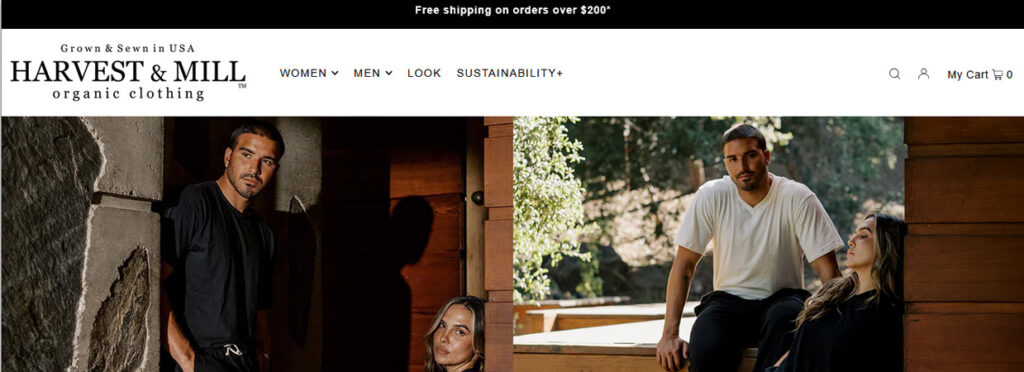
What they do: Harvest & Mill produces 100% organic cotton t-shirts, sweatshirts, and basics that are grown, sewn, and dyed entirely in the USA.
Why you’ve never heard of them: They’re a smaller operation focused on quality and transparency over rapid growth. They literally show you the farms where their cotton is grown.
The sustainability angle: This is radical transparency in action. Their entire supply chain—from seed to finished garment—happens within a 150-mile radius in California. The cotton is organic, the dyes are low-impact, and the production creates American jobs with fair wages. Plus, because everything’s local, the carbon footprint is dramatically lower than imported goods.
Price point: T-shirts around $30-40, sweatshirts $80-120.
What makes them special: The quality is incomparable. These aren’t just t-shirts—they’re heirloom pieces. The fabric is substantial without being heavy, and they’re designed to last decades, not seasons. Harvest & Mill actually encourages you to repair rather than replace their pieces.
Real talk on pricing: Yes, $38 for a t-shirt sounds steep. But when you consider it’ll last 10+ years while most fast fashion tees fall apart after 10 washes, the cost per wear is actually lower. Plus, you’re supporting American agriculture and manufacturing.
My honest take: I was skeptical about the price until I held one. The difference in quality is immediately noticeable—these tees have weight and structure. After a year of regular wear and washing, mine still look pristine. No pilling, no stretching, no fading.
Perfect for: Minimalists, people who value quality over quantity, Made-in-USA supporters, anyone building a long-term sustainable wardrobe.
5. Whimsy + Row: LA Cool Meets Sustainability
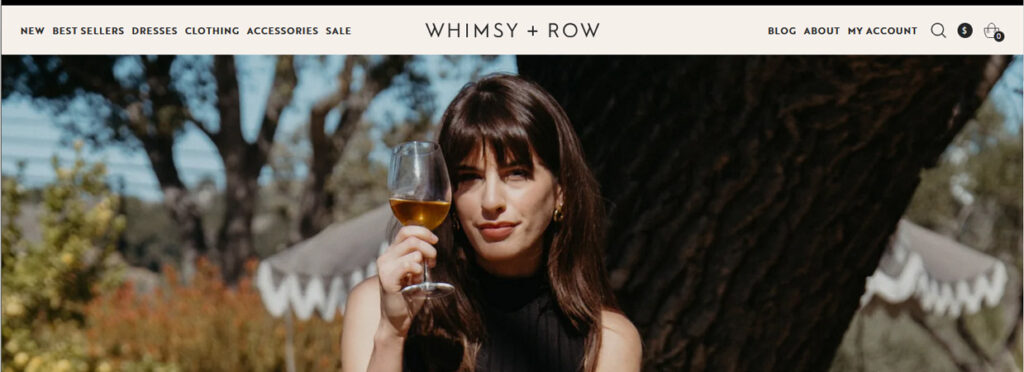
What they do: Whimsy + Row creates contemporary women’s fashion with a distinctly LA aesthetic—think effortlessly cool pieces that photograph beautifully and feel even better.
Why you’ve never heard of them: They’re a smaller independent brand that’s built their following organically through word-of-mouth and genuine sustainability credentials rather than massive marketing campaigns.
The sustainability angle: Everything is produced locally in Los Angeles in small batches to minimize waste. They use deadstock fabrics (leftover materials from larger fashion houses that would otherwise go to landfill), organic cotton, and TENCEL™. Their made-to-order model means they’re not creating excess inventory that ends up in outlets or landfills.
Price point: Dresses $85-150, tops $50-90, most pieces under $120.
What makes them special: The design aesthetic is modern and editorial without being trendy. These are pieces that look current but won’t feel dated next year. Plus, using deadstock fabrics means limited quantities—you’re getting something truly unique.
Style vibe: Minimalist with an edge, modern and clean lines, neutral color palettes with occasional pops of color, Instagram-ready outfits.
My honest take: Whimsy + Row pieces punch way above their price point in terms of design. I’ve gotten more compliments on my W+R dress than on items that cost three times as much. The fit is consistently excellent, and knowing each piece was made locally by fairly paid workers makes me feel good every time I wear it.
Perfect for: Fashion-forward folks who want contemporary style, people who appreciate limited-edition pieces, LA aesthetic lovers, minimalist wardrobes with personality.
How to Discover More Hidden Sustainable Brands
Finding these gems takes some digging, but here’s my tried-and-true method:
Follow the right hashtags
Search Instagram for #sustainablefashion, #ethicalfashion, #slowfashion, and #ecofriendlyclothing. But don’t stop at the big accounts—scroll through and find smaller brands with under 50k followers.
Check certification directories
- B Corporation Directory: B Corps are certified to meet high standards of social and environmental performance
- Fair Trade Certified: Lists brands committed to ethical production
- GOTS Directory: Global Organic Textile Standard certified brands
Read indie fashion blogs
Sites like EcoCult, The Good Trade, and Conscious Life & Style regularly feature lesser-known sustainable brands.
Ask in sustainable fashion communities
Reddit’s r/SustainableFashion and Facebook groups like “Sustainable Fashion Community” are goldmines for recommendations.
Look at “customers also bought”
When you find one good sustainable brand, check out what other brands their customers support. It’s like a sustainable fashion treasure map.
Red Flags vs. Green Flags in Sustainable Brands
As you explore new brands, here’s how to separate the genuinely sustainable from the greenwashing:
🚩 Red Flags:
- Vague claims like “eco-friendly” without specifics
- No information about where/how items are made
- Suspiciously cheap prices (if it’s $5, someone somewhere is paying the real cost)
- Massive inventories and constant “sales” (overproduction isn’t sustainable)
- Only one or two “sustainable” items in an otherwise conventional line
✅ Green Flags:
- Specific certifications (GOTS, Fair Trade, B Corp, etc.)
- Transparent supply chain information
- Clear sustainability policies on their website
- Made-to-order or small batch production
- Repair programs or take-back initiatives
- Honest about challenges and areas for improvement
The Real Cost of Sustainable Fashion
Here’s something nobody talks about enough: sustainable fashion isn’t always more expensive when you account for cost per wear.
Let’s do some math:
- Fast fashion dress: $20, worn 5 times before it falls apart = $4 per wear
- Sustainable brand dress: $80, worn 50+ times over 3 years = $1.60 per wear
Plus, when you invest in quality pieces you actually love, you wear them more. I used to have a closet full of clothes and “nothing to wear.” Now I have fewer pieces that all work together, and getting dressed is easier and more enjoyable.
Building Your Relationship with New Brands
When you discover a new sustainable brand, here’s how to test the waters without overcommitting:
- Start with one piece: Buy something versatile you know you’ll wear frequently
- Wash and wear test: See how it holds up through multiple wears and washes
- Note the fit: Sustainable brands often have different sizing than fast fashion
- Expand slowly: If you love it, gradually add more pieces
- Share your experience: Help other people discover these brands too
Why Supporting Smaller Sustainable Brands Matters
Every time you buy from a lesser-known sustainable brand instead of a fast fashion giant, you’re:
- Creating demand for better practices in fashion
- Supporting innovation in sustainable materials and production
- Helping small businesses compete with massive corporations
- Reducing environmental impact through better production practices
- Ensuring fair wages for garment workers
Your dollars are votes for the kind of fashion industry you want to see. And honestly? It feels really good to wear clothes you feel proud of.
The Bottom Line on Hidden Sustainable Brands
These five brands prove that sustainable fashion doesn’t have to come from the same handful of well-known names, and it definitely doesn’t have to be prohibitively expensive. There’s a whole world of incredible, eco-friendly brands out there creating beautiful clothes at accessible prices—you just have to know where to look.
The best part about discovering lesser-known sustainable brands? You get to be ahead of the curve. You’re wearing unique pieces, supporting better practices, and building a wardrobe that reflects your values. Plus, when someone asks “Where’d you get that?” and you introduce them to a new favorite brand, you’re spreading the sustainable fashion movement one recommendation at a time.
So go forth and explore! Try one of these brands, or use my tips to discover your own hidden gems. Your wardrobe, your wallet, and the planet will thank you. And who knows? Maybe the brand you discover today will be the next big name in sustainable fashion tomorrow—and you’ll be able to say you knew them when.
Now excuse me while I go browse these brands’ websites again. For research purposes. Obviously.