
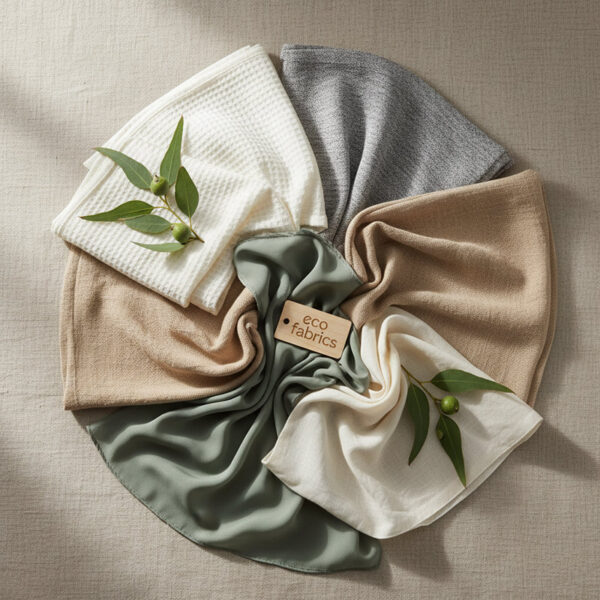
I stood in a boutique last month, holding two nearly identical dresses, and realized I had no idea what made one “sustainable” and the other not. The tags threw around terms like “eco-friendly” and “conscious,” but what did that actually mean?
Turns out, the fabric matters way more than I thought. Not all sustainable materials are created equal, and some of the buzzwords we see on labels are doing serious heavy lifting while others are just… marketing. So I did a deep dive into what I’m actually putting in my closet this year, and these five fabrics kept coming up—not just in research, but in the pieces I reach for on repeat.
Organic Cotton: The Reliable One
I’ll be honest, I used to think all cotton was basically the same. But conventional cotton is a pesticide nightmare that guzzles water. Organic cotton skips the chemicals and uses 40-91% less water depending on how it’s grown. It’s soft, breathable, and perfect for those everyday basics that need to survive a million washes. My white tees and casual dresses? Almost all organic cotton now. It just makes sense.
Tencel (Lyocell): The Smooth Operator
This one surprised me. Tencel is made from wood pulp—usually eucalyptus—and the production process is weirdly efficient. It’s called a “closed-loop” system, which basically means they recycle the water and solvents instead of dumping them. The result uses about 80% less water than conventional fabrics, and the material itself is silky and moisture-wicking. I’ve been living in Tencel for summer—it drapes beautifully and doesn’t cling in humidity.
Hemp: The Overachiever
Hemp is having a moment, and for good reason. It grows insanely fast, needs zero pesticides, barely requires water, and is 50% stronger than cotton. The fabric softens with every wash, which means those stiff hemp pieces you might remember from the ’90s are long gone. I’m seeing it more in denim alternatives and structured pieces, and I’m here for it. Durable without being fussy? That’s my love language.
Recycled Polyester (rPET): The Comeback Kid
I already wrote about my obsession with rPET, but it deserves a spot here too. Taking plastic bottles and turning them into fabric cuts emissions by nearly 60% compared to virgin polyester, and it keeps waste out of landfills. The material performs like a dream—wrinkle-resistant, quick-drying, versatile. I wear it in everything from dresses to activewear. The market is projected to hit $38.53 billion by 2034, so brands are finally paying attention.
Linen: The Low-Maintenance Classic
Linen has always been my go-to for that effortless, slightly rumpled look (which is good, because it wrinkles if you look at it wrong). But what I didn’t know until recently is that flax—the plant linen comes from—is one of the lowest-impact crops out there. It needs minimal water, grows in poor soil, and the entire plant is usable. Plus, linen is naturally biodegradable. The 2025 versions have better wrinkle resistance too, which means I can actually pack it without looking like I slept in my suitcase.
Putting It Together
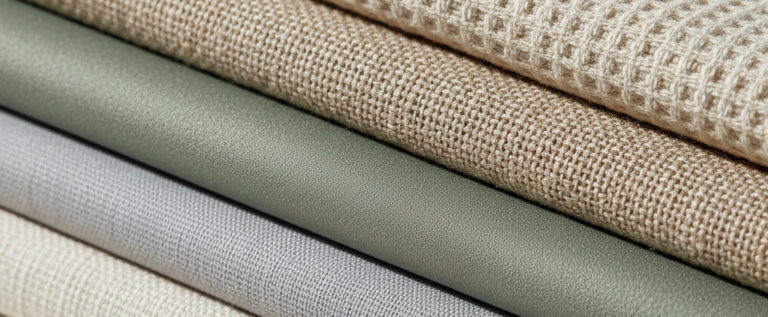
Here’s what I’ve learned: sustainable fashion isn’t about perfection. It’s about knowing what you’re buying and making better choices when you can. I’ve started mixing these fabrics – layering a linen shirt over an rPET dress, pairing organic cotton basics with hemp denim. It’s not all-or-nothing, and my wardrobe is better for it.
The cool part? These aren’t niche anymore. Bioengineered blends and circular design concepts are making these materials more accessible, and brands are finally catching up to what we’ve been asking for.
Which of these fabrics are you most curious about trying? Or do you have a sustainable favorite I didn’t mention? Let me know in the comments—I’m always learning.