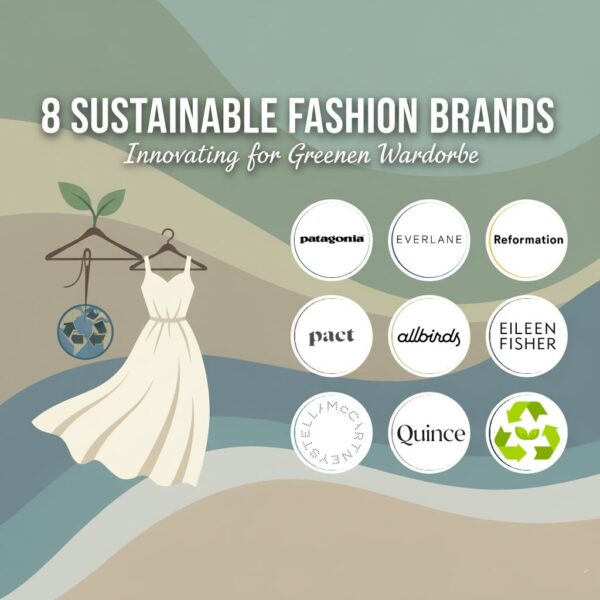
Looking for sustainable fashion brands that actually deliver on style, ethics, and affordability? The US sustainable fashion market has exploded in 2025, with eco-conscious consumers driving demand for brands that prove you don’t have to choose between looking good and doing good. Here’s your guide to the most popular sustainable fashion brands dominating the American market right now.
Why Sustainable Fashion Brands Are Trending in 2025
The sustainable clothing market is experiencing unprecedented growth in the United States. Consumers are becoming more aware of their clothing choices’ impact on the environment and society, leading to a growing demand for sustainable and ethical fashion. Searches for eco-friendly clothing have jumped 30% this year alone, signaling a permanent shift in how Americans shop for fashion.
What’s driving this change? Busy professionals and young parents want clothing that works from desk to dinner to weekend errands—without costing the planet or breaking the budget. The most popular sustainable brands understand this balance perfectly.
The Top Sustainable Fashion Brands in the US Market
1. Patagonia: The Environmental Activism Pioneer
Main selling points: Outdoor-inspired apparel with unmatched durability, transparent supply chain, and extensive use of recycled materials
Sustainability approach: As part of the 1% for the Planet initiative, the brand has donated an impressive $140 million to a variety of grassroots environmental groups around the world. Patagonia uses recycled cotton, hemp, and bio-based polyester throughout its collections.
Why it’s popular: Their Worn Wear program encourages customers to repair and reuse products rather than replace them. In 2024, they introduced plant-based wetsuits, further reducing reliance on non-renewable resources. Patagonia’s founder even gave away company shares to climate change initiatives – that’s commitment.
Price range: $50-$200, with basics starting under $100
Best for: Active lifestyles, outdoor enthusiasts, anyone who values products that last decades.
2. Everlane: Radical Transparency Leader
Main selling points: Modern basics with complete cost breakdowns, ethically-made in certified factories, timeless style
Sustainability approach: The brand’s pieces are created with exquisite materials in ethical factories worldwide, with complete openness on how they are manufactured and priced. They use organic cotton, recycled polyester, and TENCEL™, and they’re working toward Net-Zero emissions with Science Based Targets Initiative approval.
Why it’s popular: Everlane shows you exactly where your money goes—from materials to labor to markup. Their “Choose What You Pay” sales let customers decide pricing on select items. The Japanese GoWeave fabric is wrinkle-resistant and perfect for commuters.
Price range: $18-$198, with most everyday pieces under $100
Best for: Minimalists, professionals seeking polished basics, transparency-minded shoppers
3. Reformation: Carbon-Neutral Style Icon
Main selling points: Trendy, feminine designs using deadstock and sustainable fabrics, Instagram-worthy aesthetic
Sustainability approach: The brand is certified as carbon neutral by Climate Neutral and aims to become climate-positive by 2025. The brand even provides environmental impact reports for consumers to stay informed about its efforts.
Why it’s popular: Reformation makes sustainability look effortless and chic. They craft clothing from eco-friendly fabrics, vintage garments, and surplus materials while actively reducing their carbon footprint. Their RefScale shows the environmental impact you’re avoiding with each purchase.
Price range: $78-$300, with many pieces under $150
Best for: Fashion-forward professionals, date nights, special occasions where you want to look amazing.
4. Pact: Organic Cotton Essentials
Main selling points: GOTS certified organic cotton basics, Fair Trade certified, incredibly affordable
Sustainability approach: Pact specializes in essential organic cotton wear, from underwear to activewear. Their commitment to Fair Trade certification and supply chain transparency ensures eco-conscious consumers can enjoy comfortable, sustainable basics.
Why it’s popular: Organic cotton uses 91% less water than conventional cotton, and Pact’s prices make sustainable fashion accessible to everyone. Their basics get softer with every wash and hold up beautifully over time.
Price range: $12-$60, with most items under $40
Best for: Building a sustainable capsule wardrobe, everyday essentials, budget-conscious shoppers
5. Allbirds: Sustainable Footwear Innovation
Main selling points: Comfortable sneakers made from merino wool and eucalyptus fibers, carbon-neutral production
Sustainability approach: The brand is recognized for crafting perfectly sustainable trainers and clothes using innovative and natural materials such as SweetFoam, derived from responsibly sourced Brazilian sugarcane, and Trino material, made from renewable trees and merino wool.
Why it’s popular: Allbirds revolutionized footwear by proving sustainable materials can be incredibly comfortable. Their shoes require no break-in period, are machine washable, and look polished enough for work or casual enough for weekends.
Price range: $98-$145 for footwear
Best for: All-day comfort, versatile footwear, anyone tired of uncomfortable sustainable shoes
6. Eileen Fisher: Timeless Elegance Meets Circularity
Main selling points: Sophisticated, ageless designs using organic fibers, extensive resale program
Sustainability approach: They champion organic fibers like organic cotton and linen and incorporate sustainable practices into their production processes as well. Their take-back program motivates customers to return old pieces that are then upcycled into new creations.
Why it’s popular: Eileen Fisher’s Renew program has been extended to include a wider range of products, showcasing their commitment to circular fashion. Their designs are investment pieces that work for years, not seasons.
Price range: $98-$400, with sale items frequently under $100
Best for: Professional women, classic style lovers, anyone building a long-term wardrobe
7. Stella McCartney: Luxury Sustainable Fashion
Main selling points: High-end vegan designs, innovative leather alternatives, celebrity favorite
Sustainability approach: Stella McCartney’s garments are made from planet-friendly materials, such as grape-based alternatives to leather manufactured from 80% recycled raw waste. According to the Stella McCartney website, the environmental impact of animal-free leather is 24 times lower than animal-based materials.
Why it’s popular: Stella McCartney proves luxury and sustainability aren’t mutually exclusive. Her brand has been carbon neutral since 2018 and uses blockchain technology to track material lifecycles. Since 2012, all handbags have been lined with material made from recycled plastic bottles.
Price range: $300-$3,000+ (luxury investment pieces)
Best for: Special occasions, luxury fashion lovers, vegan fashion enthusiasts
8. Quince: Affordable Luxury Materials
Main selling points: Washable silk, organic cotton, and recycled cashmere at accessible prices
Sustainability approach: Quince cuts out middlemen by shipping directly from certified factories, using eco-friendly materials including organic cotton, modal, and recycled polyester throughout their collections.
Why it’s popular: They make premium materials like silk and cashmere accessible at prices 50-80% lower than traditional retail. Their washable silk eliminates expensive dry-cleaning, making sustainable luxury practical for everyday wear.
Price range: $20-$120, with most pieces under $80
Best for: Budget-conscious professionals, anyone who thought silk was out of reach, building a polished wardrobe affordably
What Makes These Brands Stand Out
The most popular sustainable fashion brands in the US share several key characteristics:
Transparency: They openly share information about supply chains, materials, and environmental impact. No greenwashing – just facts.
Certifications: Look for GOTS (Global Organic Textile Standard), Fair Trade, B Corp, and Climate Neutral certifications that verify sustainability claims.
Quality over quantity: These brands design for longevity, not trends. Pieces last years instead of seasons, making the cost-per-wear significantly lower than fast fashion.
Accessible pricing: While some luxury sustainable brands exist, the most popular ones prove sustainability doesn’t require wealth. Most offer pieces under $100.
Innovation: From recycled ocean plastic to plant-based leather alternatives, these brands invest in material science that reduces environmental impact.
How to Choose the Right Sustainable Brand for You
For everyday basics: Start with Pact or Everlane for organic cotton essentials that form your wardrobe foundation.
For work wardrobes: Everlane, Eileen Fisher, and Quince offer professional pieces that transition from desk to dinner.
For active lifestyles: Patagonia and Allbirds create durable, functional pieces for movement and outdoor activities.
For fashion-forward style: Reformation leads in trendy, sustainable designs that photograph beautifully and turn heads.
For luxury investments: Stella McCartney and Eileen Fisher offer high-end sustainable pieces that justify their price tags through quality and innovation.
For budget building: Pact and Quince prove sustainable fashion can be incredibly affordable without sacrificing quality.
The Future of Sustainable Fashion in the US
The sustainable fashion market isn’t slowing down—it’s accelerating. Brands have to make recycled or organic inputs a priority—organic cotton to innovative new inputs like mushroom leather and algae foam. Using renewable inputs eliminates high reliance on petroleum-based inputs and reduces pollution.
Circular fashion is becoming the norm, with brands implementing take-back programs, resale platforms, and recycling partnerships. The goal is keeping clothes in circulation and out of landfills.
Material innovation continues pushing boundaries. Brands are experimenting with agricultural waste fabrics, enzymatically recycled nylon, and bio-based alternatives to traditional textiles. The sustainable options of 2025 would have seemed impossible just five years ago.
The Bottom Line
The most popular sustainable fashion brands in the US market prove that eco-friendly clothing can be stylish, affordable, and built to last. From Patagonia’s environmental activism to Pact’s accessible organic cotton basics, these brands are redefining what it means to shop consciously.
Whether you’re just starting your sustainable fashion journey or looking to expand your eco-friendly wardrobe, these eight brands offer something for every style, budget, and lifestyle. The key is choosing brands that align with your values and actually deliver on their sustainability promises—no greenwashing, just genuine commitment to people and the planet.
Ready to make the switch? Start with one brand, try one piece, and see how sustainable fashion works for your life. Your wardrobe, your wallet, and the planet will thank you.